 Schedule a Visit

Diamond Clarity: A Complete Guide to the GIA Diamond Clarity Scale and Choosing Your Perfect Stone
April 21st, 2026
Table of Contents
How Clarity is Graded
Diamond Clarity Scale
How Shape and Size Affect Clarity
Reading a GIA Clarity Plot
Value Buying Guide (The Sweet Spot)
Explore Incredible Diamonds at the Wedding Ring Shop
Diamond Clarity FAQ
Selecting the perfect diamond is about more than sparkle. When shopping for diamond jewelry, understanding the importance of clarity plays a vital role in choosing a diamond that reflects both elegance and enduring value. Whether looking for a natural diamond or a lab-grown diamond, this guide will help understand how you can find the perfect diamond. At The Wedding Ring Shop, our knowledgeable staff is dedicated to helping you discover the most stunning diamonds to complement your dream engagement ring. Discover why diamond clarity is so important with our guide to the GIA diamond clarity scale to find your perfect diamonds today.

Diamond Clarity Explained
How Clarity is Graded
An imperfection’s size is one of the most straightforward factors that determine clarity. For example, a tiny pinpoint might not interfere with light performance, while a larger cavity might disrupt the diamond’s optical properties. Larger inclusions can have a greater impact on the way light passes through the stone and can potentially reduce its brilliance and sparkle.
The quantity of inclusions and blemishes is also considered. A diamond containing a single pinpoint may be regarded more favorably than one with multiple inclusions scattered throughout the stone. Even if each inclusion is small, their cumulative effect can reduce clarity and diminish brilliance. Because of this, gemologists account for both the total count of imperfections, as well as how those inclusions relate to each other within the gem.
The exact placement of an imperfection is a key part of clarity grading. Inclusions found near the center of the diamond are generally more noticeable and impactful than those located near the sides. Central imperfections can be reflected through the facets, making them appear larger and more significant than they actually are. On the other hand, imperfections at the edge of the stone may be less visible and less influential on the diamond’s light performance.
It is also worth noting that clarity grading is not always identical across institutions. Two of the most respected diamond grading laboratories, the Gemological Institute of America (GIA) and the American Gem Society (AGS), use rigorous but slightly different approaches to clarity grading. Both organizations rely on the same fundamental principles of evaluating size, nature, quantity, position, and relief, but their methodologies and terminology may vary. For example, the GIA is known for its precise, universally recognized system of clarity grading, while the AGS incorporates its own criteria, sometimes emphasizing how inclusions may influence light performance in addition to visibility. These differences mean that a diamond could receive slightly different clarity assessments depending on the institution conducting the evaluation.
Ultimately, clarity grading is a balance of science and expert judgment. While magnification and detailed criteria help standardize the process, the final determination often involves a careful evaluation of how the inclusions and blemishes interact as a whole within the stone. Understanding the various factors that influence clarity grading allows you to appreciate the individuality of every diamond, as well as the skill and artistry behind evaluating these remarkable gems.
Diamond Clarity Scale
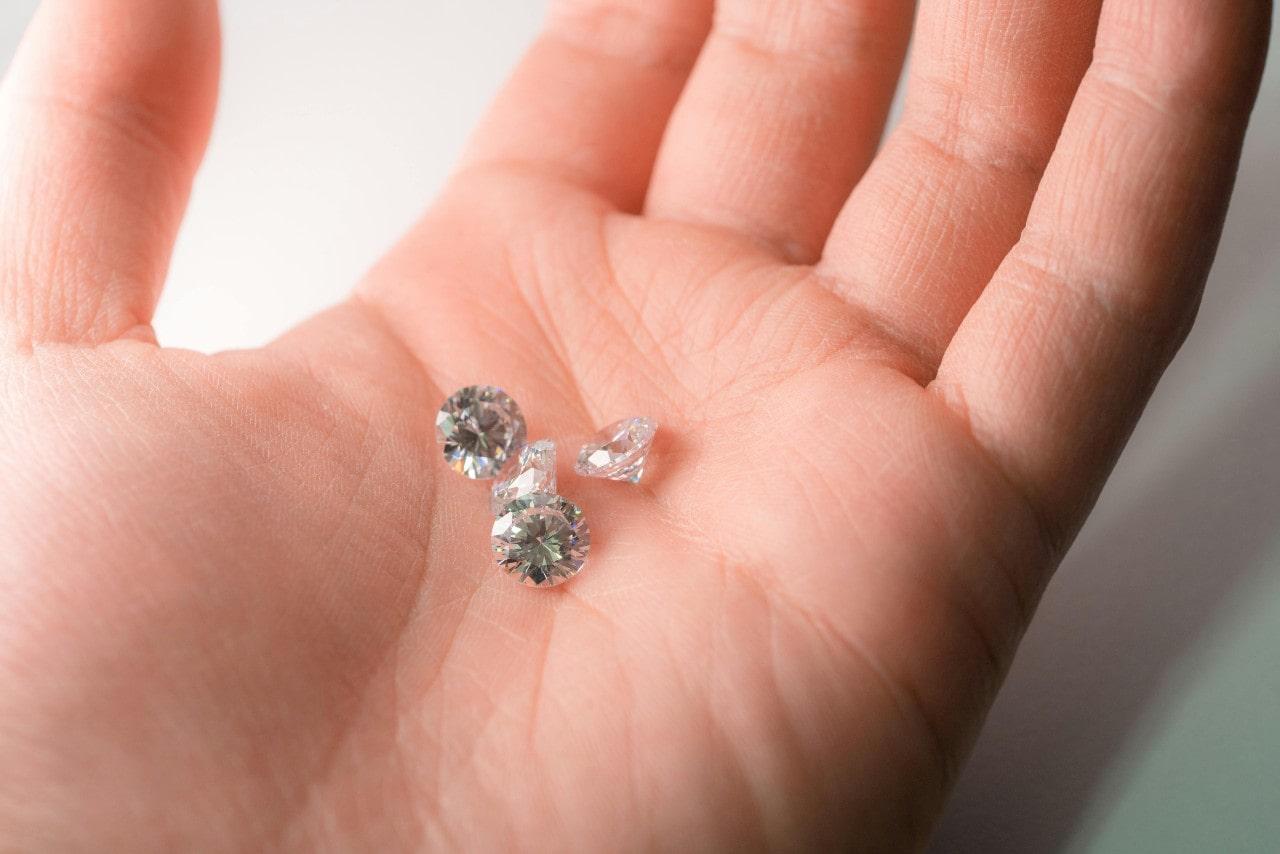
At the very top of the clarity scale are Flawless (FL) diamonds. These rare and highly sought-after gems contain no visible inclusions or blemishes under 10x magnification. As such, their perfection makes them exceptionally valuable. Closely following behind are Internally Flawless (IF) diamonds, which are equally free from internal inclusions but may show the slightest external blemishes. While both categories are extraordinarily rare, their pristine appearance showcases the remarkable purity that natural diamonds can achieve.
Moving down the scale, the next categories are Very, Very Slightly Included (VVS1 and VVS2). In these diamonds, inclusions are so minor that even a skilled grader has difficulty detecting them under 10x magnification. The distinction between VVS1 and VVS2 is based on the size, number, and placement of these inclusions, with VVS1 being slightly more refined. These inclusions can include tiny crystals, pinpoints, or faint clouds that have little to no effect on the stone’s brilliance. Diamonds in this range are prized for their near-flawless appearance and outstanding sparkle.
Slightly Included (SI1 and SI2) grades represent diamonds where inclusions are noticeable under 10x magnification, and may sometimes be visible without magnification. In SI1 diamonds, inclusions are usually less noticeable to the naked eye, while SI2 stones may more readily reveal imperfections depending on their position and size. These inclusions might include crystals, feathers, or small clouds that can influence the diamond’s brilliance, though many SI diamonds still appear radiant and relatively flawless. Their affordability makes them a popular option for those who want a larger stone while maintaining good overall appearance.
At the lower end of the clarity scale are Included (I1, I2, and I3) diamonds. These stones have inclusions that are obvious under 10x magnification and are often visible to the naked eye. The inclusions in this category can impact the diamond’s transparency, brilliance, and in some cases, durability. They might consist of large feathers, dark crystals, or significant clouds that interfere with light performance. While I-grade diamonds are less rare and typically more affordable, their imperfections are more noticeable, making them a less common choice for fine jewelry.
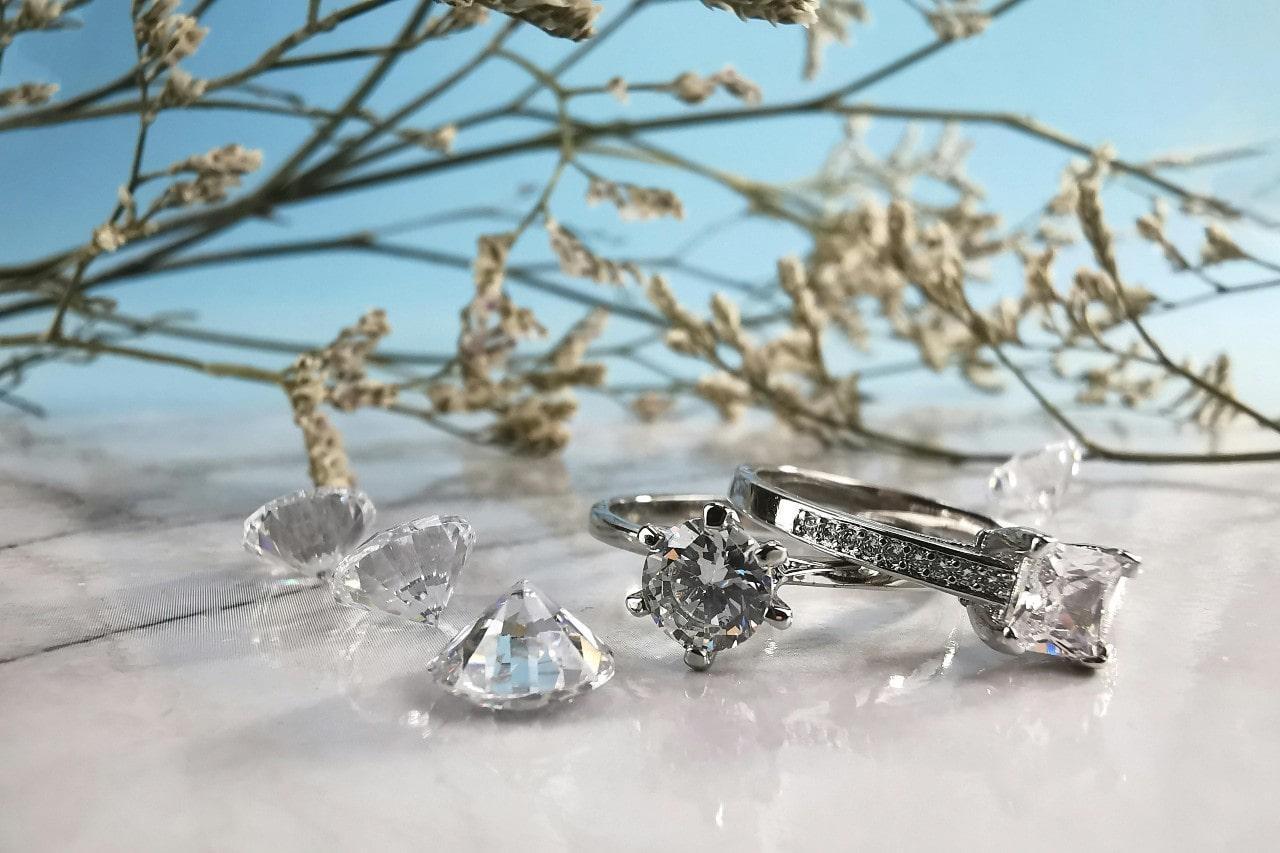
Ultimately, the GIA clarity grading system provides a universal language for evaluating diamonds. It ensures that buyers, jewelers, and gemologists share the same understanding of a stone’s clarity. Whether one selects a flawless gem or a slightly included diamond with personality, the scale helps highlight the individuality of each stone while giving consumers the confidence to make informed purchases. By recognizing the differences across the eleven grades, anyone can better appreciate the complexity and natural beauty that diamonds embody.
Many diamond experts, like the experts found at the Wedding Ring Shop of Honolulu, will mention the “Eye-Clean”. An “Eye-Clean” diamond is a diamond that has no inclusions visible to the unaided eye when viewed from the top under normal lighting. Where this becomes a factor is two diamonds can be graded as “SI1”, but one is eye-clean (with inclusions more on the side), while the other isn’t (inclusions in the center). This is where you can get more value in your diamond.
How Shape and Size Affect Clarity
As your diamond gets bigger, the clarity becomes more important. A larger carat weight often has larger facets, so an inclusion in a .50ct diamond may become visible to the naked eye in a 2.00ct diamond of that same grade. We refer to this as the “Window” Effect. If you are looking at stones over 1.5-2.0 carats, be more selective with your clarity as these minor inclusions became far more visible with the wider window.
Reading a GIA Clarity Plot
For information on reading a diamond grade report read the GIA guide.
Value Buying Guide (The Sweet Spot)
Even when looking for a great value diamond, note that inclusions are not just about the looks of your diamond, but it can also affect the stone’s overall “health”. Our diamond experts recommend being wary of the “feathers”, where if a “feather” (tiny crack) is located near the edge (girdle) of the diamond, it could cause the stone to chop or crack if it is hard or set incorrectly on the ring. Although I-grades are less common, these inclusions can sometimes compromise the structural integrity of the diamond.
Explore Incredible Diamonds at the Wedding Ring Shop

Frequently Asked Questions
What is diamond clarity?
Clarity refers to the presence of natural microscopic characteristics within or on a diamond. These are broken down into inclusions (internal features like tiny crystals or cloudy spots) and blemishes (external surface features). Because inclusions can block or redirect light, a diamond with fewer imperfections will generally have a more brilliant, unobstructed sparkle.
How is a diamond’s clarity actually graded?
Gemologists grade diamonds under 10x magnification. They don't just count the imperfections; they evaluate five key factors: Size: How large is the inclusion? Type: Is it a black crystal, a cloudy cluster, or a structural fracture (feather)? Quantity: How many imperfections are there? Placement: Is the flaw dead-center where it's highly visible, or hidden off to the side? Color/Relief: Does the flaw blend in, or does it starkly contrast with the diamond?
What are the different levels of the GIA Clarity Scale?
The Gemological Institute of America (GIA) established the industry standard for grading clarity, broken down into eleven grades:
FL / IF (Flawless / Internally Flawless): Exceptionally rare; no visible inclusions under 10x magnification.
VVS1 / VVS2 (Very, Very Slightly Included): Inclusions are so minor that even trained gemologists struggle to find them under magnification.
VS1 / VS2 (Very Slightly Included): Minor inclusions visible under magnification, but completely flawless to the naked eye.
SI1 / SI2 (Slightly Included): Inclusions are noticeable under magnification and sometimes visible to the naked eye.
I1, I2, I3 (Included): Imperfections are obvious under magnification, usually visible to the naked eye, and may impact the diamond's brilliance or durability.What does it mean if a diamond is "eye-clean"?
An "eye-clean" diamond has imperfections, but they are entirely invisible to the naked eye under normal lighting. This is a crucial concept for buyers: you can purchase an SI1 graded diamond that has its flaws cleverly hidden on the outer edges, giving you the visual appearance of a flawless diamond at a significantly lower price point.
Does a diamond's shape or size change how visible its flaws are?
Yes, drastically:
By Shape: "Brilliant" cuts (like Round, Cushion, or Princess) have intricate faceting that reflects a ton of light, effectively hiding minor inclusions. "Step" cuts (like Emerald or Asscher) feature large, open, window-like facets that easily reveal imperfections. If you are buying a step-cut diamond, experts recommend a clarity grade of VS1 or higher.
By Size: As a diamond gets larger (especially over 1.5 to 2.0 carats), its facets get larger too. This creates a "window effect" where an inclusion that was microscopic in a 0.50ct stone becomes noticeably visible to the naked eye in a 2.00ct stone.What is the best clarity grade for my budget?
For the best balance of beauty and value, experts generally recommend the VS2 or SI1 grades. These diamonds are typically eye-clean but cost significantly less than VVS or Flawless stones. Additionally, if you prioritize an "Excellent" cut, the sheer amount of light bouncing around the diamond can help mask minor clarity characteristics.
Can poor clarity actually damage the diamond?
Yes. While mostly an aesthetic grade, clarity also impacts structural "health." Be particularly cautious of inclusions called feathers (tiny internal cracks). If a prominent feather is located right on the girdle (the outer edge) of the diamond, hitting the ring against a hard surface could cause the stone to chip or crack.
About the Author